

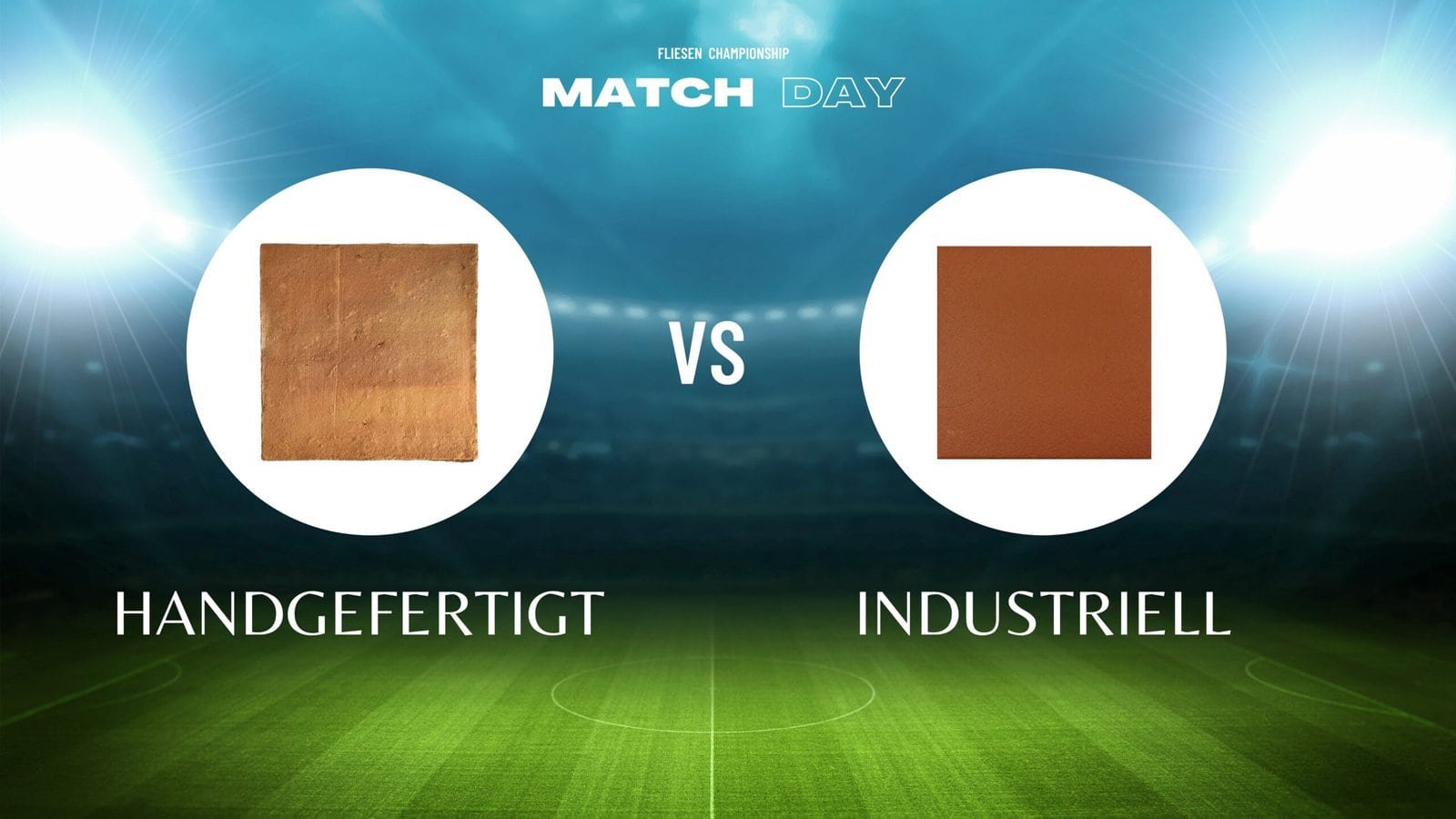

Handcrafted or industrial terracotta tiles – when planning to install terracotta tiles, the question often arises which option is more suitable. In this guide, you will learn everything you need to know: from production methods to maintenance and long-term benefits – clearly explained and with a practical focus.
Introduction: Why Terracotta Tiles?
Terracotta tiles combine natural beauty and functionality in a truly unique way. Their earthy texture and rustic character fascinate architects, interior designers, and lovers of authentic materials worldwide. With their warm tones and timeless charm, terracotta tiles are increasingly used in both classic and modern spaces. Today, the market distinguishes between two main categories: handmade and industrial tiles. Understanding their fundamental differences is essential when making the right choice. Learn more about shapes and variations on our [terracotta tiles page].
What are terracotta tiles?
Definition and Origin
The term “terracotta” comes from Italian and literally means “baked earth.” This natural material is made from high-quality clay that is shaped, dried, and fired at high temperatures. As early as ancient civilizations, terracotta was used to decorate temples, palaces, and homes. It is therefore one of the oldest building materials in human history. For a more detailed historical perspective, see our article on [The History of Terracotta Tiles].
Historical Use and Current Trends
Traditionally, terracotta tiles were used on floors and walls in Mediterranean homes. Today, they are also incorporated into modern designs for their warm feel and aesthetic impact. Our [Info Hub] offers further inspiration as well as practical guidance on proper care and use.
Handgefertigte oder industrielle Terracotta Fliesen – Die wichtigsten Unterschiede
Production Process
Handmade tiles are crafted with great care in small batches. Each piece is shaped by hand, dried naturally, and fired in a traditional kiln. The result is an authentic surface with delicate color variations. This elaborate process requires craftsmanship, time, and dedication — qualities that machine production simply cannot replace. A more detailed explanation can be found in our article [The Legacy of the Old Masters].
Industrial tiles, on the other hand, are produced mechanically in large quantities. This makes them particularly uniform and quickly available. However, this standardization often comes at the expense of character and artisanal value.
Aesthetics and Visual Appeal
Handcrafted tiles radiate individuality and character. The difference between handcrafted and industrial terracotta tiles becomes especially evident in their visual impact. Subtle irregularities, soft colour variations, and naturally textured surfaces create an authentic atmosphere—ideal for restoration projects and spaces with a traditional architectural character.
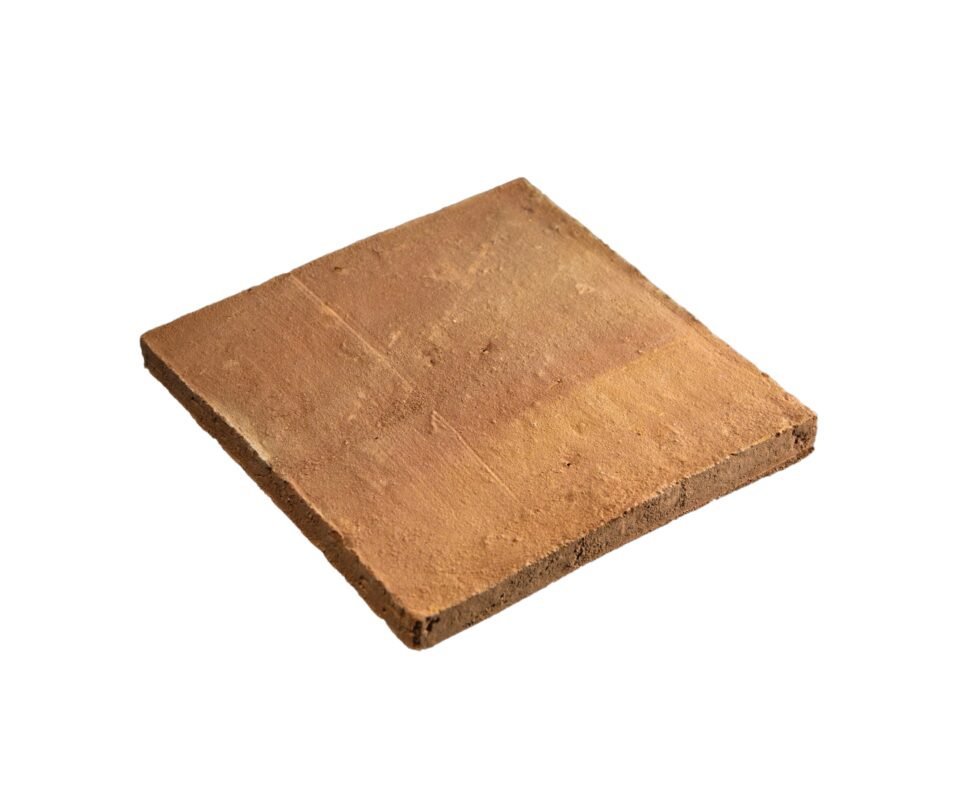
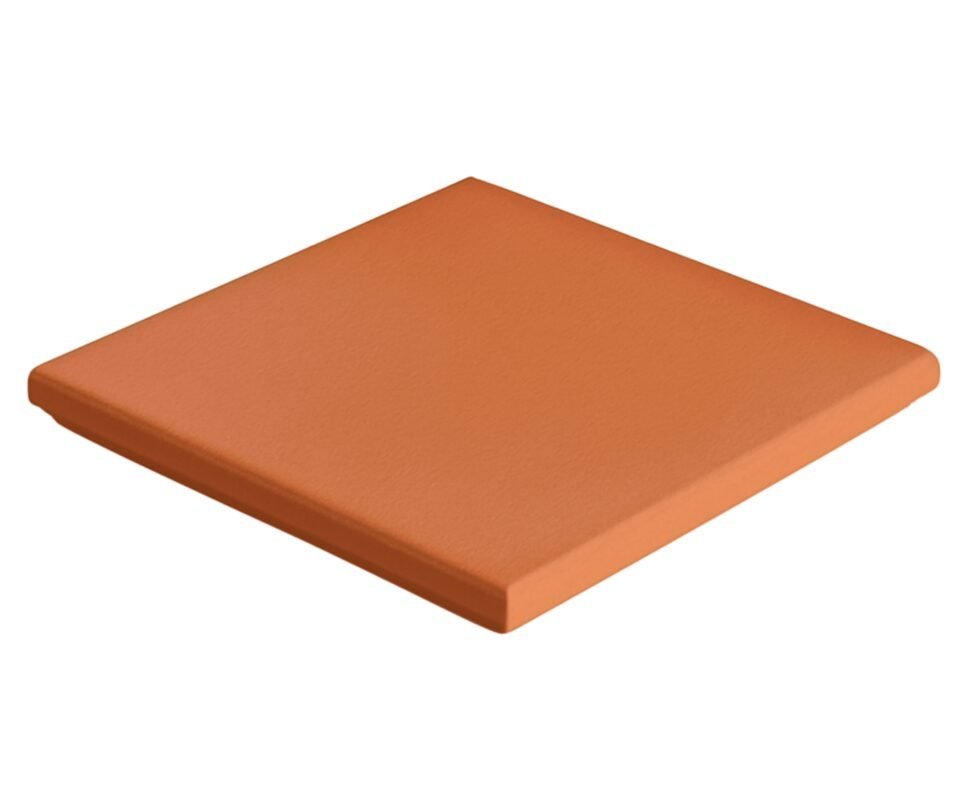
Industrial tiles appear smooth, uniform, and modern. They are well-suited for minimalist or commercial applications. At the same time, they often lack the warm atmosphere of their handmade counterparts.
Care and Maintenance
There are also clear differences in maintenance between handcrafted and industrial terracotta tiles. The care required depends on the tile type and surface finish. Handcrafted variants are more porous and therefore require greater attention during installation, as well as regular impregnation or wax treatment. This helps prevent moisture absorption and staining while preserving the surface’s sheen and natural appearance. For more information, see our guide: Protection for Generations.
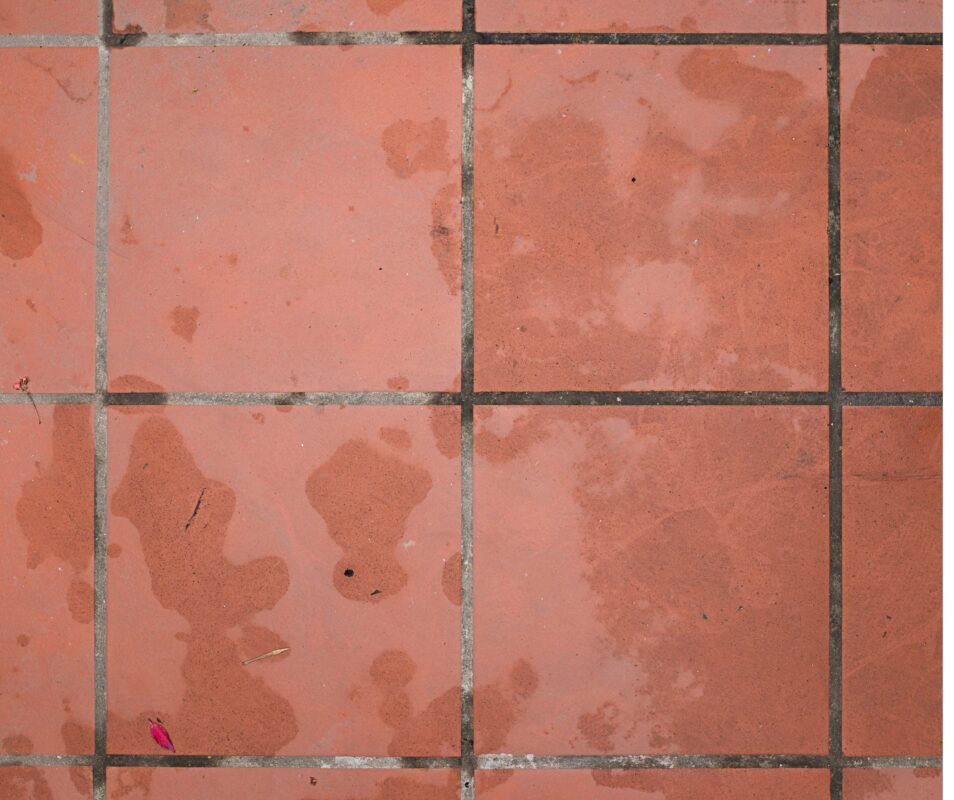
Industrial tiles are easier to maintain, as they are often factory-sealed. Their surface is more resistant to moisture and dirt — particularly advantageous in high-traffic areas. However, this convenience usually comes at the expense of authenticity.
Handcrafted or industrial terracotta tiles – practical advantages and disadvantages
Handmade Tiles
Advantages: unique character, natural appearance, long-lasting, ideal for restorations and high-end projects.
Disadvantages: higher price, longer production time, professional installation recommended.
Industrial Tiles
Advantages: cost-effective, immediately available, easy to install, standardized formats.
Disadvantages: less character, shorter lifespan, lower resistance under heavy use.
Conclusion: Quality That Lasts
In direct comparison, handcrafted terracotta tiles prove to be the superior choice for those who value aesthetics, durability, and craftsmanship. The comparison between handcrafted and industrial terracotta tiles clearly shows how strongly the production process and material quality influence the final result. They are not merely a flooring material, but a cultural statement. In our interview with master craftsman Mile, you can learn more about why no machine can replace the human touch.
So if you are looking for a long-lasting and stylish solution, handmade tiles are definitely the better choice.
Frequently Asked Questions (FAQ)
1. Handcrafted or Industrial Terracotta Tiles – What Is the Difference?
Handmade tiles are unique, traditionally crafted, and natural in appearance. Industrial tiles, on the other hand, are uniform, more affordable, and machine-produced.
2. Are handcrafted terracotta tiles more durable?
Yes. Thanks to careful craftsmanship and high-quality materials, they generally have a longer lifespan.
3. Which type of tile is easier to install?
Industrial tiles are easier and quicker to install thanks to their standardized dimensions.
4. Do handmade tiles also fit in modern spaces?
Yes. They provide a stylish contrast and add warmth and character to contemporary interiors.
Learn more about the traditional production of our terracotta tiles
or about proper care and impregnation:
👉 [Terracotta Tiles – The History of a Classic]
👉 [Installing Terracotta Tiles – Step-by-Step Guide]
Not sure which terracotta tiles are the right fit for your project? Get advice from our experts – personal, honest, and free of charge.